Ultrasound & Imaging
Ultrasound & Imaging at Shubham Hospitals
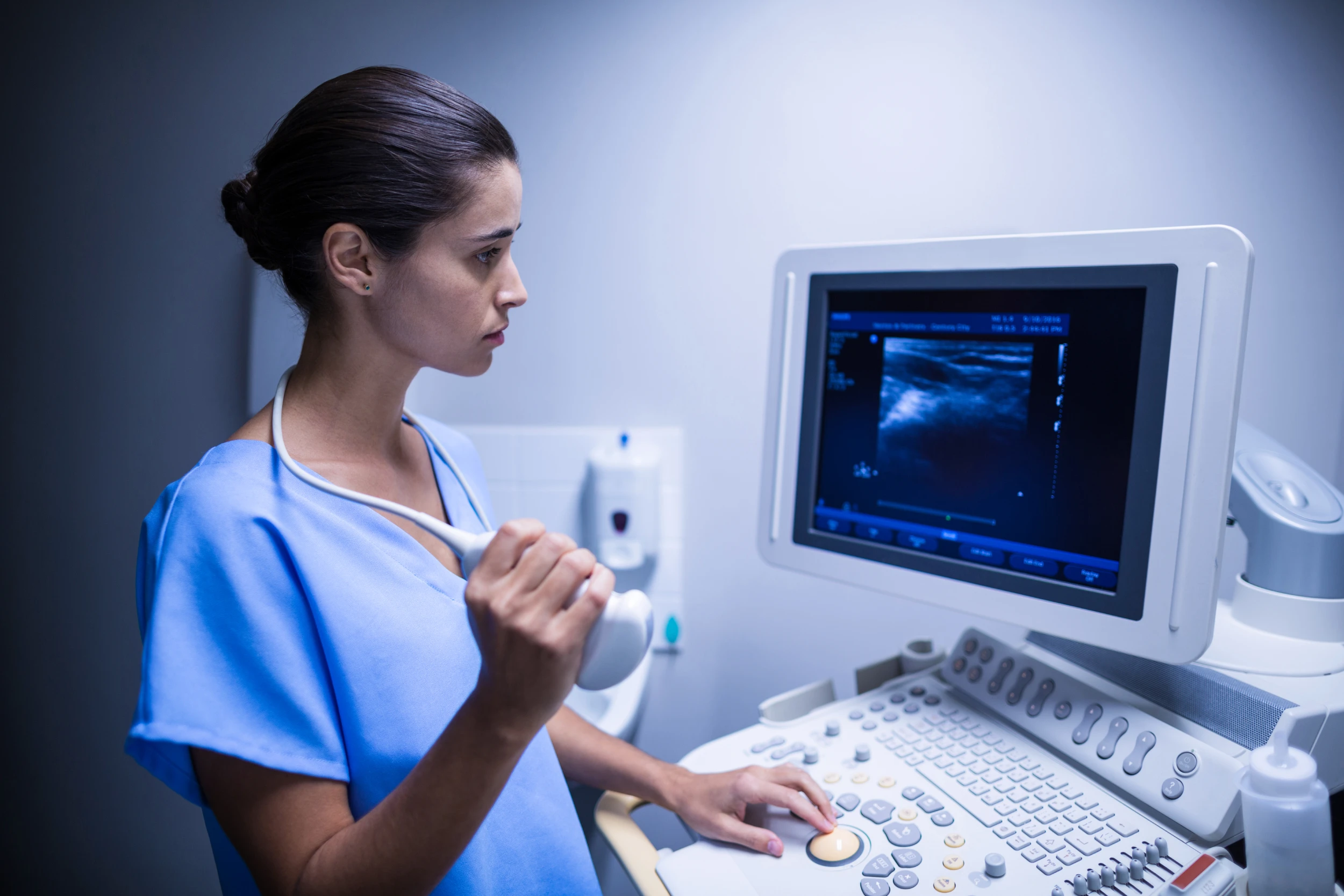
At Shubham Hospitals, we provide state-of-the-art ultrasound and imaging services to ensure precise diagnosis, accurate monitoring, and the best possible care for our patients. Equipped with advanced 3D/4D ultrasound and color Doppler technology, our imaging services offer detailed insights into your health and your baby’s well-being, whether you’re expecting or seeking treatment for other conditions.
Our imaging services are designed to be non-invasive, safe, and highly effective, providing valuable information to guide your treatment and care.
Services

Early Pregnancy Scans (Viability & Dating Scans)
Early pregnancy scans, such as viability and dating scans, are essential for confirming the pregnancy and establishing an accurate due date. These scans help detect early signs of a healthy pregnancy, ensuring that both mother and baby are progressing as expected. Viability scans confirm the pregnancy’s progress, while dating scans determine the gestational age, giving you vital information for future monitoring.
NT Scan & Anomaly Scan (Fetal Well-being)
The NT (Nuchal Translucency) scan is a screening test performed in early pregnancy to assess the risk of chromosomal abnormalities like Down syndrome. It is followed by the anomaly scan, typically done around 18-22 weeks of pregnancy, to check for any physical anomalies in the fetus. Both scans offer essential information about fetal well-being and help in early detection of potential issues.
Growth Scans & Doppler Studies
Growth scans monitor the baby’s development in the womb, ensuring that the fetus is growing at a healthy rate. These scans are especially important in pregnancies where there are concerns about fetal growth restriction or other complications. Doppler studies use ultrasound to assess blood flow to the fetus, placenta, and umbilical cord, providing crucial information on the baby’s oxygen and nutrient supply.
Gynecological Scans (Fibroids, Ovarian Cysts, Endometriosis Mapping)
For women experiencing gynecological issues, our gynecological scans are invaluable for diagnosing conditions like fibroids, ovarian cysts, and endometriosis. These scans provide clear images of the reproductive organs, helping doctors plan the most effective treatment. Endometriosis mapping helps detect the extent of endometrial tissue growth outside the uterus, aiding in better management of the condition.
Follicular Monitoring for Fertility Treatments
Follicular monitoring is a crucial part of fertility treatments like IVF and IUI. This type of scan tracks the development of ovarian follicles to help determine the optimal time for egg retrieval or insemination. By monitoring follicle growth and assessing hormone levels, our specialists can maximize the chances of successful conception, ensuring the best outcomes for couples undergoing fertility treatments.
3D/4D Live Baby Imaging for Expectant Parents
At Shubham Hospitals, we offer 3D/4D live baby imaging, allowing expectant parents to see their baby in real time. This advanced technology provides stunningly clear images of the baby’s features, from facial expressions to movement, giving families a unique and emotional experience. 4D ultrasound adds the element of real-time motion, allowing parents to see their baby moving, kicking, or even sucking their thumb, creating a memorable bonding experience.
Benefits of Ultrasound & Imaging
- Advanced Technology: Our 3D/4D ultrasound and color Doppler technology ensure the most accurate, detailed, and up-to-date diagnostic images.
- Non-invasive & Safe: Ultrasound is a non-invasive and safe method of monitoring pregnancy and diagnosing medical conditions.
- Early Detection: Regular scans like NT, anomaly, and growth scans help detect potential issues early, ensuring timely intervention if needed.
- Personalized Care: Our team of experienced specialists provides personalized care, interpreting your scans and discussing results with you in detail.
- Peace of Mind: With precise imaging, we provide expectant parents with peace of mind, offering insights into their baby’s health and development.
FAQ's
When should I get my first pregnancy scan?
Your first scan, usually a viability scan, is typically done around 6-8 weeks of pregnancy to confirm the pregnancy and check for a heartbeat. A dating scan can be done shortly after to determine the due date.
What is the purpose of the NT scan?
The NT scan is a screening test performed between 11 and 14 weeks to assess the risk of chromosomal abnormalities, such as Down syndrome. It measures the fluid at the back of the baby’s neck, which can indicate the likelihood of such conditions.
What can I expect from an anomaly scan?
An anomaly scan, typically performed between 18 and 22 weeks, provides detailed images of your baby’s organs and structures. It checks for any physical abnormalities such as heart defects, limb issues, or abnormalities in the brain, spine, or kidneys.
Are 3D/4D ultrasound scans safe?
Yes, 3D/4D ultrasound scans are safe and non-invasive. They use sound waves to create images and do not involve radiation. These scans offer an exciting way to bond with your baby and observe their features.
How often will I need growth scans during my pregnancy?
Growth scans are typically performed when there are concerns about fetal growth or if there are complications, such as gestational diabetes or hypertension. Your doctor will recommend the frequency based on your individual case.
What is Doppler ultrasound used for?
Doppler ultrasound measures the blood flow to the fetus, placenta, and umbilical cord. It is used to ensure that the baby is getting enough nutrients and oxygen from the placenta, especially in high-risk pregnancies.