
Medically reviewed by Dr. Manan Boob — MBBS (KEM), MS ObGyn (Gold Medalist), DNB, Consultant Gynecologist & Laparoscopic Surgeon, Shubham Hi-Tech Hospital and Test Tube Baby Centre, Amravati.
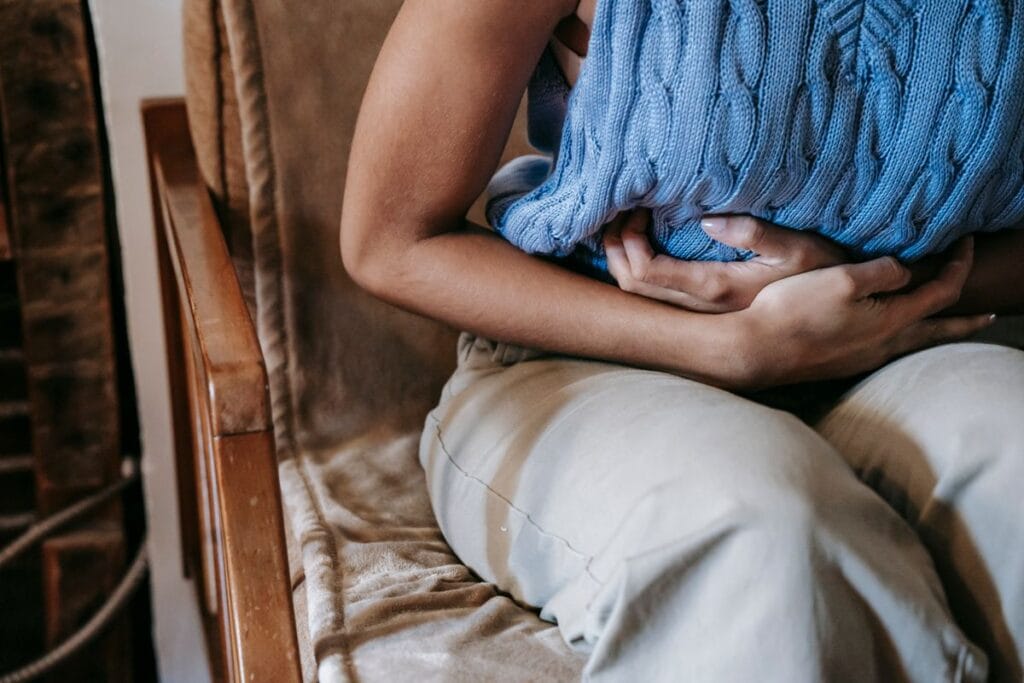
Painful periods (medically called dysmenorrhea) are common, but pain that stops you from going to work, college, or doing daily chores in Amravati is not something you simply have to “tolerate.” In most cases, the right diagnosis and treatment can bring real relief.
Why Do Periods Hurt in the First Place?
During your period, the uterus contracts to shed its lining. These contractions are triggered by hormone-like substances called prostaglandins. Higher prostaglandin levels usually mean stronger cramps. For many young women, this is the only cause — it is called primary dysmenorrhea, and while uncomfortable, it is not linked to any underlying disease.
However, if your pain is new, getting worse over the years, lasts longer than it used to, or is accompanied by heavy bleeding, it may be secondary dysmenorrhea — pain caused by an underlying gynecological condition that needs a doctor’s evaluation.
Common Medical Causes of Severe Period Pain
1. Endometriosis
This is a condition where tissue similar to the uterine lining grows outside the uterus — on the ovaries, fallopian tubes, or pelvic lining. It can cause intense cramping, pain during intercourse, and in some cases, difficulty conceiving. Endometriosis is under-diagnosed in smaller cities because symptoms are often dismissed as “normal period pain.”
2. Fibroids
Fibroids are non-cancerous growths in the muscle wall of the uterus. Depending on their size and location, they can cause heavy bleeding, prolonged periods, and cramping that feels like intense pressure or a dragging pain in the lower abdomen.
3. Adenomyosis
In adenomyosis, the uterine lining tissue grows into the muscular wall of the uterus itself. This often causes the uterus to feel enlarged and tender, with heavy, painful periods that tend to worsen with age.
4. Pelvic Inflammatory Disease (PID) and Ovarian Cysts
Infections of the reproductive organs or cysts on the ovaries (including ruptured or twisted cysts) can cause sharp or constant pelvic pain that may worsen around your period.
5. Copper IUD Use
Some women using a copper intrauterine device notice heavier and more painful periods, especially in the first few months after insertion.
When Should You See a Gynecologist in Amravati?
Self-care (a hot water bag, rest, mild pain relievers) is reasonable for occasional, manageable cramps. But you should book a consultation if you notice any of the following:
- Pain severe enough to miss school, college, or work every month
- Pain that has progressively worsened over months or years
- Heavy bleeding — soaking through a pad or tampon every 1–2 hours, or passing large clots
- Periods lasting longer than 7 days
- Pain during intercourse, urination, or bowel movements
- Pain that does not improve with over-the-counter medication
- New or unusual pelvic pain after age 25, especially if periods were previously normal
Many women in Amravati and the wider Vidarbha region delay this visit out of embarrassment or because they assume “all periods are painful.” But a 15–20 minute consultation and a pelvic ultrasound can often identify the cause and open up effective treatment options.
How Is the Cause of Painful Periods Diagnosed?
At Shubham Hi-Tech Hospital, evaluation usually begins with a detailed history and a pelvic examination, followed by an ultrasound to check the uterus, ovaries, and lining thickness. If fibroids, polyps, adenomyosis, or structural abnormalities are suspected, a hysteroscopy — a minimally invasive procedure using a thin camera inserted through the vagina — allows the doctor to directly visualize the inside of the uterus, and in many cases treat the problem in the same sitting. For conditions like endometriosis or ovarian cysts, diagnostic laparoscopy may be recommended. You can read more about these procedures on our Advanced Laparoscopy & Hysteroscopy page.
Treatment Options
Treatment is tailored to the cause and your future fertility plans, and may include:
- Medication — anti-inflammatory pain relievers, hormonal therapy, or tranexamic acid for heavy bleeding
- Hormonal IUD or birth control pills — to regulate cycles and reduce flow and pain
- Hysteroscopic procedures — to remove polyps, small fibroids, or correct uterine abnormalities, usually with quick recovery and no external cuts
- Laparoscopic surgery — for endometriosis, larger fibroids, or ovarian cysts, performed through small keyhole incisions for faster healing
Most women see significant improvement once the underlying cause is treated, rather than just masking the pain every month.
Frequently Asked Questions
Is it normal to have period pain every single month?
Mild cramping on day 1–2 is common and usually normal. However, pain that is severe, disrupts your routine, or is getting worse over time is not something to ignore — it deserves a proper evaluation.
Can painful periods affect my ability to have children later?
Some causes of painful periods, particularly endometriosis and untreated fibroids, can affect fertility over time. Early diagnosis and treatment can help protect your reproductive health.
Will I need surgery for painful periods?
Not necessarily. Many cases are managed successfully with medication or hormonal treatment. Surgery (hysteroscopy or laparoscopy) is reserved for cases where a structural cause is identified and needs to be corrected.
At what age should I get checked if my periods are painful?
Any age. While primary dysmenorrhea is common in teenagers and young adults, new or worsening pain at any age — including the late 20s, 30s, or 40s — should be evaluated.
Take the First Step Towards Pain-Free Periods
If period pain is affecting your work, studies, or quality of life, you don’t have to manage it alone. Dr. Manan Boob and the team at Shubham Hi-Tech Hospital and Test Tube Baby Centre, Amravati, offer comprehensive gynecological evaluation, ultrasound, and advanced laparoscopic and hysteroscopic treatment under one roof.
📞 Call +91-8668954915 to book a consultation, or visit our Contact Us page for clinic address, timings, and directions.
Related: Learn more in our guide to the best gynecologist in Amravati.
Disclaimer: This article is for general information only and is not a substitute for professional medical advice. Please consult a qualified doctor for guidance specific to your situation.